April 1, 2020 — Many emergency room workers remove their clothes as soon as they get home — some before they even enter. Does that mean you should worry about COVID-19 transmission from your own clothing, towels, and other textiles?
While researchers found that the virus can remain on some surfaces for up to 72 hours, the study didn’t include fabric. “So far, evidence suggests that it’s harder to catch the virus from a soft surface (such as fabric) than it is from frequently touched hard surfaces like elevator buttons or door handles,” wrote Lisa Maragakis, MD, senior director of infection prevention at the Johns Hopkins Health System.
for the complete article: webmd.com/lung/news/20200401
Lidl US is recalling one lot of Gelatelli Coffee & Vanilla Gelato with Coffee Sauce & Cookie Pieces because testing showed contamination with Listeria monocytogenes. The recalled product was distributed
**Frozen smoked salmon recalled after positive test for Listeria ~ Krasnyi Oktyabr Inc. of Brooklyn, NY, is voluntarily recalling STARFISH SEAFOOD PREMIUM COLD SMOKED NORWEGIAN SALMON SLICED because the product has tested positive for Listeria monocytogenes. The STARFISH SEAFOOD PREMIUM
** Kayem Foods Inc., of Chelsea, MA, is recalling more than 1.5 million pounds of ready-to-eat (RTE) meat and poultry products because they may have experienced temperature abuse during storage, the USDA’s Food Safety and Inspection Service (FSIS) announced today. More than 1.5 million pounds of hot dogs, bacon, sausage, turkey breasts and more meat products of various brands were recalled. The RTE meat and poultry bacon, hot dogs sausage, turkey breasts, hams and other products were produced March 31, 2026, to Oct. 7, 2026, and some have long shelf life. FSIS is concerned that some product may be in consumers’ refrigerators or freezers.
View some of the product labels by clicking here. View the list of more than 100 products by clicking here.
The products subject to recall bear establishment numbers “EST. M/P 7839,” “EST. P 20935A” and “EST. M 9520” inside the USDA mark of inspection. These items were shipped to retail and foodservice locations nationwide in the United States and to Hong Kong.
The problem was discovered after the firm received a retail customer complaint regarding warm product temperatures at point of delivery on Oct. 1.
** Walker’s Wine Juice LLC of Forestville, NY, is recalling its pumpkin juice because it may be contaminated with Botulism. Product was distributed via Walker’s Wine Juice retail store in NY. The juice was also distributed directly by Walker’s to a limited number of commercial wineries in the following states: IL, IN, KS, KY, ME, MI, MN, NJ, NY, OH, PA, WI.
Products can be identified as follows:
2.5-gallon bag in box and 5-gallon hot pack are labeled “pumpkin”; All lots are subject to the recall
30-, 60-, and 275-gallon bulk containers are tagged “pumpkin”; All lots are subject to the recall
No illnesses have been reported to date.
~ FSN News Desk
** Krasnyi Oktyabr Inc. Recalls Starfish Seafood Trio Because of Possible Health Risk. Krasnyi Oktyabr Inc. of Brooklyn, New York, is voluntarily recalling Starfish Seafood Trio – Cold Smoked Salmon, Halibut, and Trout, 8 oz (227 g) packages, because the product has the potential to be contaminated with Listeria monocytogenes,The recalled product was distributed in New York, Florida, Georgia, Massachusetts, North Carolina, and South Carolina.
No illnesses have been reported to date in connection with this product. Consumers who have purchased the recalled Starfish Seafood Trio are urged not to consume the product and to return it to the place of purchase for a full refund.
Consumers with questions may contact Krasnyi Oktyabr Inc. at (718) 858-6720, Monday through Friday, from 9:00 a.m. to 5:00 p.m. Eastern Time (ET).
** Gardeners Basics Recalls Waltham 29 Broccoli Sprouting Seeds Due to Possible Salmonella Contamination. The product was distributed nationwide in the United States through online sales and shipped directly to consumers.
The product was sold online through Amazon, www.gardenersbasics.comExternal Link Disclaimer, TikTok Shop, Walmart, eBay and Etsy. Sales have stopped. Consumers should identify recalled bags using the product name, package and marking described below.
The recalled product is Gardeners Basics Waltham 29 Broccoli Sprouting Seeds, packaged in a white and green resealable pouch, net weight 1 pound (454 g), with UPC 848137042889. The bag is marked “Packed for 2027.”
On September 26, 2026, Gardeners Basics was notified by our seed supplier that bulk broccoli seed lot #W4105 was recalled because Salmonella was detected in a broccoli seed sample that was collected and analyzed by the FDA. Additionally, the seeds were identified as being used by a sprout grower whose finished product was part of an FDA investigation involving a multistate foodborne illness outbreak.
No illnesses related to this product had been reported to Gardeners Basics as of October 6, 2026. Email info@gardenersbasics.com, or text or leave a voicemail at 801-769-6181 any time, seven days a week. Live calls are not answered.
** Par Health Issues Voluntary Nationwide Recall of Argatroban Injection Due to the Presence of Particulate Matter. October 13, 2026 – Par Health is recalling 22 lots of Argatroban Injection 250 mg/2.5 mL (100 mg/mL) to the hospital/user level. This recall is being conducted due to the presence of particulate matter, identified as cellulose, polystyrene, polyethylene terephthalate, stopper material, and possibly stainless steel, that was detected in certain lots.
There are two NDC numbers, 42023-182-01 and 42023-182-89, and a lot of lot numbers
These lots were distributed nationwide to wholesalers and hospitals between December 30, 2024, and May 5, 2026. Questions regarding this recall can be directed to Inmar, Inc. at 1-855-648-7909 Monday through Friday between the hours of 9 a.m. and 5 p.m. ET or by email at rxrecalls@inmar.com.
For medical or technical product information or to report a product complaint or adverse event please call 1-800-828-9393 Monday through Thursday between the hours of 9 a.m. and 8 p.m. ET or Friday between 9 a.m. and 6 p.m. ET. Complete and submit the report Online: www.fda.gov/medwatch/report.htm
Regular Mail or Fax: Download form www.fda.gov/MedWatch/getforms.htm or call 1-800-332-1088 to request a reporting form, then complete and return to the address on the pre-addressed form, or submit by fax to 1-800-FDA-0178
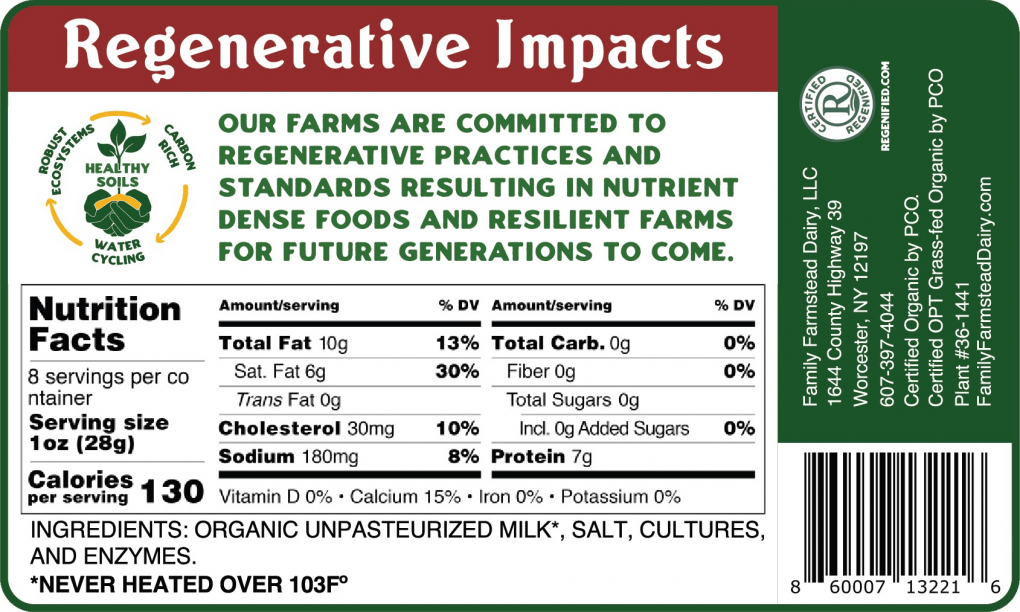
** Family Farmstead Dairy Announces Recall of Raw Mild Cheddar Cheese Due to Potential E. coli O157:H7 Contamination.
The issue was discovered when a LFFM sample in Maryland isolated two strains ofShiga toxin-producing E. coli (STEC)in two samples of Family Farmstead A2 Raw Cheddar, 8 oz package, 7/22/27.
At this time, Family Farmstead Dairy has received no reports of illness associated with the recalled product.
LEASA Industries Co. Inc. of Miami, FL, has recalled its alfalfa sprouts because of possible contamination with E. coli. The recall was not posted on the Food and Drug Administration’
** Update: Ice cream recalled because of metal piecesStewart’s Shops Corp. of Saratoga Springs, NY is recalling two flavors, Heavenly Medley and Vanilla-Chocolate-Strawberry, of half-gallon ice cream because of the potential presence of metal.
** Saint Francis Apizza LLC Issues a Voluntary Recall of its Frozen Pizzas for Missing Sub Ingredients on the Label for Soy, Which Includes Soybean Oil and Soy Lecithin, an Allergen. here have been no reports of illness involving the products addressed in this recall, however, people who have an allergy or severe sensitivity to soy run the risk of a serious or lifethreatening allergic reaction if they consume these products. Individuals exhibiting signs or symptoms of an allergic reaction should contact a physician immediately.
All products should be discarded or returned to Saint Francis Apizza LLC for a full refund.
Customers with any questions or concerns should contact Alex Plattner at 971.221.7086.
** Stewart’s Shop Corp. Recalls Heavenly Medley and Vanilla-Chocolate-Strawberry Due to Possible Foreign Object. Stewart’s Shops Corp. of Saratoga Springs, NY is recalling two flavors, Heavenly Medley and Vanilla-Chocolate-Strawberry, of half-gallon ice cream due to the potential presence of metal.
The following products are subject to recall and were sold at all Stewart’s Shops locations in NY, VT, and NH between 7/17/26 and 10/2/2026: No injuries or illnesses have been reported to date in connection with this problem.
The recall was initiated after a metal object was discovered by a consumer in a half-gallon carton of ice cream. Consumer & Media Contact: Robin Cooper 518-248-0455 rcooper@stewartsshops.com
** Frutas y Hortalizas del Sur S.A., San Carlos, Chile expands its previously initiated recalls on July 3, 2026 and September 3,2026 recall of frozen organic IQF blueberries and berry blends to include additional lots of Great Value frozen Organic Triple Berry Blend 10 OZ, Great Value frozen Organic Blueberries 10 OZ and one Lot of Trader Joe’s frozen Organic Mixed Berry Blend because of potential contamination with Escherichia coli O145:H28 (E. coli O145).
The affected products are:
Product: Great Value Organic Triple Berry Blend 10 OZ (Including Strawberries, Blackberries and Blueberries), with UPC: 7874211226 Package Size: 10 oz Lot Code: 6 031 01, 6 041 01 (in front of the package) Best If Used By Date: January 31, 2028 and February 10, 2028
Product: Great Value Organic Blueberries 10 OZ, with UPC: 7874211213 Package Size: 10 oz Lot Code: 6 019 01, 6 040 01 and 6 163 01 (in front of the package) Best If Used By Date: January 19, 2028; February 9, 2028 and June 12, 2028.
Product: Trader Joe’s Organic Mixed Berry Blend 12 OZ with UPC: 00977654 Package Size: 12 oz Lot Code: 6 051 01 (in back of the package) Best Before Date: February 20, 2028
Consumers who have Great Value Organic Triple Berry 10 OZ with lot code 6 031 01, 6 041 01, Great Value Organic Blueberries 10 OZ with lot code 6 019 01, 6 040 01 and 6 163 01 and Trader Joe’s Organic Mixed Berry Blend 12 OZ with lot code 6 051 01 should not consume those products. The product should be discarded or returned to Walmart or Trader Joe’s for a full refund.Media Contact: Joshua Weiss Info.foodsafety@comfrut.com or 336-899-5612. Monday – Friday 8 AM – 6 PM EST
** Sierra Nevada Cheese Company Recalls Graziers Raw Milk Cheese Due to Possible Health Risk. At this time, the investigation has not been narrowed to a specific lot, date code, or production date. Therefore, out of an abundance of caution, Sierra Nevada Cheese Company is recalling all the Graziers Raw Milk Cheese products listed below currently in distribution. The recalled products were distributed nationwide through distributors, retailers, and direct customers. Sierra Nevada Cheese Company initiated the voluntary recall after being contacted by FDA regarding the ongoing FDA/CDC outbreak investigation. The company immediately stopped production and shipment of all Graziers Raw Milk Cheese, notified customers that purchased the affected products directly from Sierra Nevada Cheese Company, and issued notices through its website and social media. The company is cooperating with FDA and CDC as the investigation continues. Consumers with questions may contact Sierra Nevada Cheese Company at (530) 934-8662, Monday through Friday, 8:30 a.m. to 5:00 p.m. Pacific Time, or by email at recallinfo@sierranevadacheese.com.
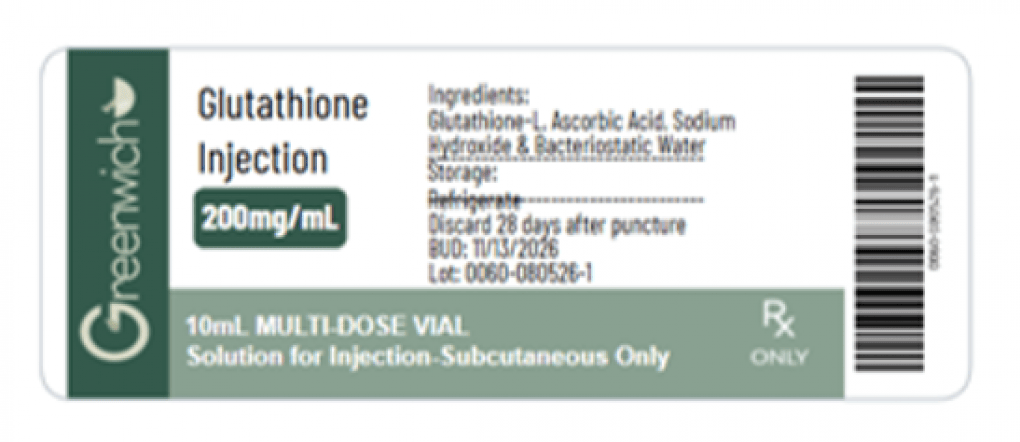
** Greenwich Rx Issues Voluntary Nationwide Recall of Compounded Glutathione Due to Elevated Endotoxin Levels. The glutathione was distributed to patients nationwide between June 26, 2026, and September 21, 2026.
Customers can direct questions regarding this recall to Sedgwick at (866) 552-4916 or GreenwichRx7542@sedgwick.com Monday through Friday between 8:00 AM to 5:00 PM Eastern Time. Complete and submit the report Online: www.fda.gov/medwatch/report.htm
Regular Mail or Fax: Download form www.fda.gov/MedWatch/getforms.htm or call 1-800-332-1088 to request a reporting form, then complete and return to the address on the pre-addressed form, or submit by fax to 1-800-FDA-0178.
** EAK Distribution LLC Recalls HOME GROWN Green Sprouting Calabrese Broccoli Seeds, 8 oz, Heirloom Because of Possible Health Risk. HOME GROWNGreen Sprouting Calabrese Broccoli Seeds, 8 oz, Heirloom was sold on Amazon.com to consumers nationwide between the dates of August 20th, 2026 and September 18th, 2026
HOME GROWNGreen Sprouting Calabrese Broccoli Seeds, 8 oz, Heirloom is in a cream colored pouch with the UPC code 850056627443. The top seal is embossed with the Production Lot Code of AUG172026. There have been no reported illnesses from our product to date. The recall was initiated after our seed supplier notified us that the seeds were identified as being used by a sprout grower whose finished product were part of an FDA investigation involving a multistate food borne illness outbreak. Consumers with any questions may contact EAK Distribution at 541-306-4278, Monday – Friday from 8 am – 5 pm PST.
** WinCo Foods of Boise, ID is Recalling the Following Salsa Bean Dip Trays Due to the Inclusion of Recalled Peperoncini from G.L. Mezzetta. WinCo Foods of Boise, ID is recalling the following Salsa Bean Dip Trays due to the inclusion of recalled peperoncini from G.L. Mezzetta.
WinCo Foods Salsa Bean Dip Tray Express with UPC 2-67173-#####, with a net weight of 54oz.
WinCo Foods Salsa Bean Dip Tray, 16 Inch Catering Tray(by special order only) with UPC 2-67240-##### with a net weight of 104oz.
The affected peperoncini may have been used as an ingredient on the bean dip trays with “Best If Used By” dates of Aug. 14, 2026 through Sept. 25, 2026.
Product was distributed in WinCo Foods retail stores in AZ, CA, ID, MT, NV, OR, UT, and WA.
WinCo Foods was notified by G.L. Mezzetta that a single lot of their Golden Greek Peperoncini has been recalled due to potential pest inclusion due to a video from another grocery chain circulating on social media. Peperoncini are used as an ingredient in the WinCo Foods Salsa Bean Dip Trays.
WinCo Foods did not have or use any product with evidence of pests included in the jar, nor has the company received any complaints regarding potential pests or illness related to the bean dip trays to date. Consumer Contact Information: WinCo Foods Customer Service Desk Phone number: 1-800-824-1706 Website: WinCo Foods – Contact Us Online
** Frutas y Hortalizas del Sur S.A. Expands Recalls to Include Additional Lots of Great Value Frozen Organic Triple Berry Blend 10 OZ, Great Value Frozen Organic Blueberries 10 OZ and One Lot of Trader Joe’s Frozen Organic Mixed Berry Blend 12 OZ Because of Potential Contamination with E. coli O145. The recalled Great Value product was shipped to select Walmart stores in 30 states including Alabama, Arkansas, Connecticut, Florida, Georgia, Iowa, Illinois, Indiana, Kansas, Kentucky, Louisiana, Michigan, Minnesota, Missouri, Mississippi, North Carolina, North Dakota, Nebraska, New Jersey, New York, Ohio, Oklahoma, Pennsylvania, South Carolina, South Dakota, Tennessee, Texas, Virginia, Wisconsin, and West Virginia, along with the Commonwealth of Puerto Rico. Consumers should check their freezers for the affected product. The recalled Trader Joe’s product was shipped to select Trader Joe’s stores in 26 states: Alabama, Arkansas, Colorado, Delaware, Florida, Georgia, Illinois, Indiana, Iowa, Kansas, Kentucky, Louisiana, Maryland, Michigan, Minnesota, Missouri, Nebraska, North Carolina, Ohio, Oklahoma, Pennsylvania, South Carolina, Tennessee, Texas, Virginia, and Wisconsin, along with the District of Columbia.
The affected products are:
Product: Trader Joe’s Organic Mixed Berry Blend 12 OZ with UPC: 00977654 Package Size: 12 oz Lot Code: 6 051 01 (in back of the package) Best Before Date: February 20, 2028
Product: Great Value Organic Triple Berry Blend 10 OZ (Including Strawberries, Blackberries and Blueberries), with UPC: 7874211226 Package Size: 10 oz Lot Code: 6 031 01, 6 041 01 (in front of the package) Best If Used By Date: January 31, 2028 and February 10, 2028
Product: Great Value Organic Blueberries 10 OZ, with UPC: 7874211213 Package Size: 10 oz Lot Code: 6 019 01, 6 040 01 and 6 163 01 (in front of the package) Best If Used By Date: January 19, 2028; February 9, 2028 and June 12, 2028. Consumers who have Great Value Organic Triple Berry 10 OZ with lot code 6 031 01, 6 041 01, Great Value Organic Blueberries 10 OZ with lot code 6 019 01, 6 040 01 and 6 163 01 and Trader Joe’s Organic Mixed Berry Blend 12 OZ with lot code 6 051 01 should not consume those products. The product should be discarded or returned to Walmart or Trader Joe’s for a full refund.
Consumers or customers with questions regarding this recall may contact:
Gias Foods of New York, NY is recalling all lot codes of bettergoods Authentic Italian Lemon Alfredo Fettuccine, because it has the potential to be contaminated with Listeria monocytogenes, an organism which can cause serious and sometimes fatal infections in young children, frail or elderly people, and others with weakened immune systems. Although healthy individuals may suffer only short-term symptoms such as high fever, severe headache, stiffness, nausea, abdominal pain and diarrhea, Listeria monocytogenes infection can cause miscarriages and stillbirths among pregnant women.
The Authentic Italian Lemon Alfredo Fettuccine was distributed nationwide at Walmart stores.
I-645 would repeal the Millionaires Tax, a historic new law that will modestly increase taxes on just the top half of one percent of Washingtonians – while cutting taxes for the other 99.5% of us. And the facts are clear: the Millionaires Tax is a tax only on millionaires and income over one million dollars.
The governor has promised to veto any expansion of the tax, and any attempt to expand the tax would inevitably end up in front of the voters as an initiative. In the end, voters will always have the final say about who pays this tax and can reject any efforts to expand it.
Despite what Brian Heywood says, the Millionaires Tax bill that was signed into law was a package, with tax cuts for 99.5% of Washingtonians paid for by a tax on millionaires. Passing the initiative would put these critical tax breaks for Washingtonians in jeopardy, tax breaks that are only paid for by the Millionaires Tax.
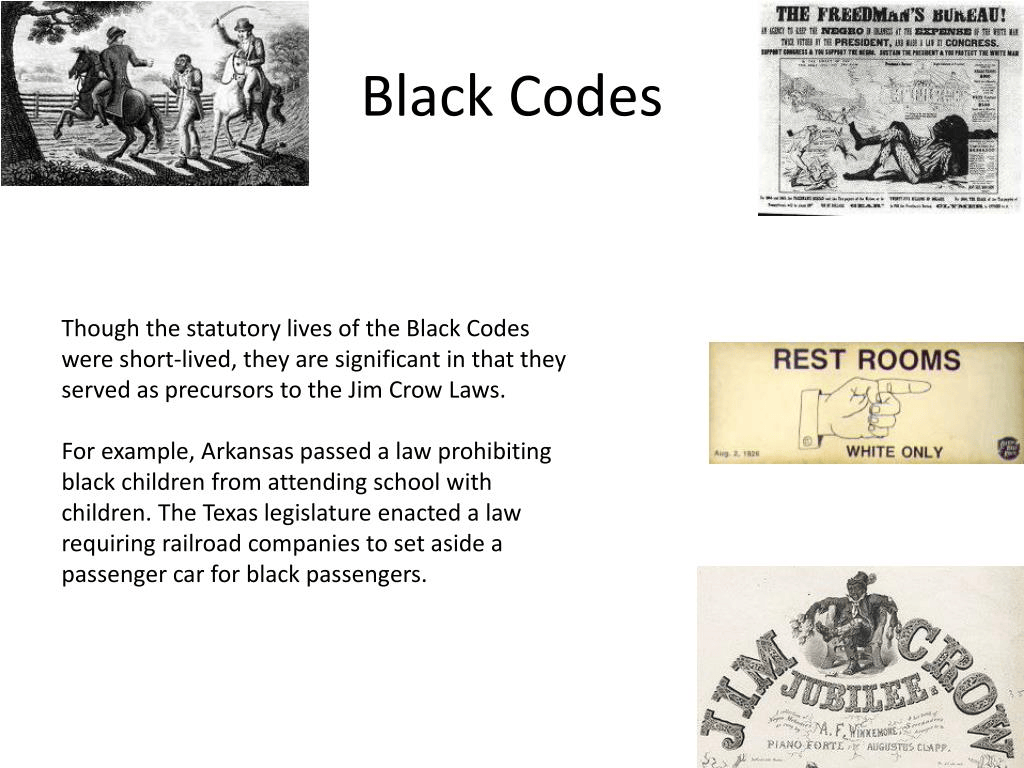
On October 26, 1866, the Texas Legislature passed two key statutes that were part of the state’s post‑Civil War Black Codes, designed to maintain racial hierarchy and control over African Americans
1. Restriction on Black Testimony in Court The law amended the state’s Code of Criminal Procedure to state that “persons of color shall not testify” except in two limited situations:
When the prosecution is against a person of color, or
When the offense is alleged to have been committed against a person or property of a person of color Blackpast+1.
This meant that in civil cases between white parties, and in criminal cases involving white defendants not accused of crimes against Black people, Black individuals were legally barred from testifying. Even when allowed to testify, their words were often given little weight by white judges and juries A History of Racial Injustice. This continued the antebellum practice of excluding Black testimony in most cases, despite the new constitutional guarantees of citizenship.
2. Regulation of Labor Contracts The same day, Texas enacted an Act regulating contracts for laborBlackpast+1:
Labor contracts over one month had to be in writing, witnessed by a Justice of the Peace, County Judge, County Clerk, Notary Public, or two disinterested witnesses, and read aloud to the laborer before signing.
Workers could choose their employer but could not leave before the contract ended without consent, unless for “harsh treatment” or “breach of contract” — otherwise, they forfeited all wages earned.
One copy of each contract had to be filed with the County Court Clerk, creating a public record.
Contracts were to be made with the head of a family and covered all able‑working members, including minors.
Wages were to be a lien on half the crops, second only to rent claims.
These provisions effectively tied Black laborers to long‑term, controlled employment arrangements, limiting their mobility and reinforcing economic dependence U.S. History Scene.
Historical Context The 1866 Texas Black Codes were part of a broader Southern effort to codify racial subjugation after the Civil War. While the state’s 1866 “Act to define and declare the rights of persons lately known as slaves, and free persons of color” granted some civil rights, it also retained restrictions such as bans on voting, jury service, intermarriage with whites, and testimony against whites TSHA+1. The October 26 laws reinforced these inequalities by legally limiting Black legal standing and controlling Black labor.
Impact These statutes entrenched racial discrimination in Texas law, restricting Black participation in the justice system and binding freedpeople to exploitative labor arrangements. They reflected the legislature’s refusal to recognize full equality for African Americans in the immediate post‑war period A History of Racial Injustice+1.
Quack Walker Lewis, black abolitionist, barber, AND elder (priest) in the Church of Jesus Christ of Latter-day Saints, was born in Barre, Worcester County, Massachusetts, on August 3, 1798. His father, Peter P. Lewis, was a free black yeoman farmer in Middlesex County, Massachusetts, and his mother, Minor Walker Lewis, was born a slave in Worcester County. Peter and Minor had a total of eleven children, all of whom were born free and part of the black middle class in Massachusetts.
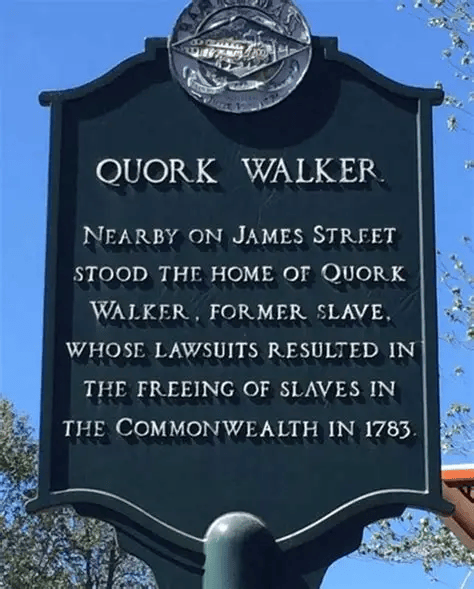
Walker Lewis’s involvement with abolitionism was a central component of his family’s history. He was named after his maternal uncle, Quacko (Kwaku) Walker. Quacko’s parents maintained Ghanaian naming practices (Kwaku means “boy born on Saturday”). Quacko and his parents were slaves in Worcester County, Massachusetts. In two legal cases in 1781 and 1783, Quacko obtained his freedom from Nathaniel Jennison. Quacko v. Jennison (1781) and Jennison v. Caldwell et al (1783) are cited as legal precedents for ending slavery in Massachusetts. With this genealogy of slavery and emancipation, Walker Lewis assisted in the formation of the Massachusetts General Colored Association (MGCA) in 1826.
That year, Lewis and other prominent black abolitionists, including David Walker (no relation), formed the MGCA, the first all-black abolitionist organization in the United States, and in 1829, it released David Walker’s Appeal to the Coloured Citizens of the World. This treatise called for complete emancipation of slaves, armed insurrection (if necessary), and disfavor of African colonization. The MGCA later merged with William Lloyd Garrison’s New England Anti-Slavery Society, which was then renamed the Boston Anti-Slavery Society.
On November 2, 1917, Foreign Secretary Arthur James Balfour writes an important letter to Britain’s most illustrious Jewish citizen, Baron Lionel Walter Rothschild, expressing the British government’s support for a Jewish homeland in Palestine. The letter would eventually become known as the Balfour Declaration.
Britain’s support for the Zionist movement came from its concerns regarding the direction of the First World War. Aside from a genuine belief in the righteousness of Zionism, held by Lloyd George among others, Britain’s leaders hoped that a statement supporting Zionism would help gain Jewish support for the Allies.
The influence of the Balfour Declaration on the course of post-war events was immediate: According to the “mandate” system created by the Versailles Treaty of 1919, Britain was entrusted with the administration of Palestine, with the understanding that it would work on behalf of both its Jewish and Arab inhabitants.
Source: history.com
I would say the idea that anyone thought giving Britain or Zionist control in the first place wasn’t offensive seems odd to me, not only because they decided without the Palestinians at the table or ahead of the table since the land, was theirs, but also because all the outliers assumed Britain would be entrusted with the administration of Palestine, with the understanding that it would work on behalf of both its Jewish and Arab inhabitants. Of course, that didn’t happen, and what could go wrong did go wrong, and decades later, genocide is taking place, and the question remains: Why did they think this mission could stay quiet? That is sarcasm … some always knew, and a whole lot of people stayed quiet.
How could Americans and NATO look the other way, and why weren’t the Brits held liable or accountable, btw they all could have done the right thing by correcting it all, but it seems as if supremacy and elitism are beyond humanity. We know every issue can have several sides, but facts should never, ever be ignored, especially when they are documented.

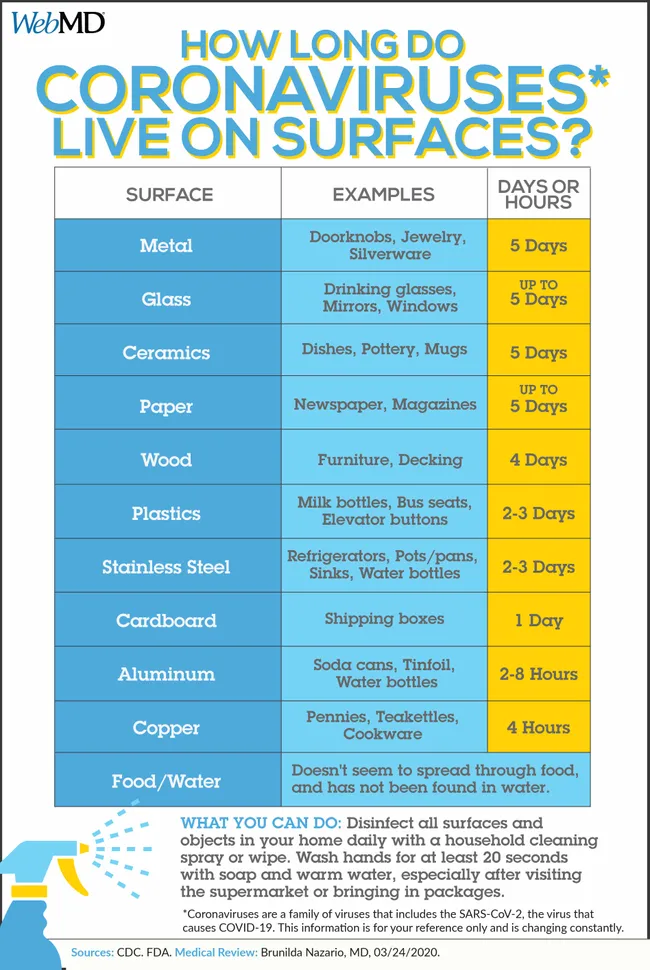 ce suggests that it’s harder to catch the virus from a soft surface (such as fabric) than it is from frequently touched hard surfaces like elevator buttons or door handles,” wrote Lisa Maragakis, MD, senior director of infection prevention at the Johns Hopkins Health System.








You must be logged in to post a comment.